
“Design is not just what it looks like and feels like. Design is how it works.”
– Steve Jobs
Design and Technology is an inspiring and practical subject that encourages creativity, innovation, and problem-solving. At Newham Bridge, our principal aim is to develop children’s confidence as designers and makers by providing opportunities to design, create, evaluate, and improve products that solve real and relevant problems.
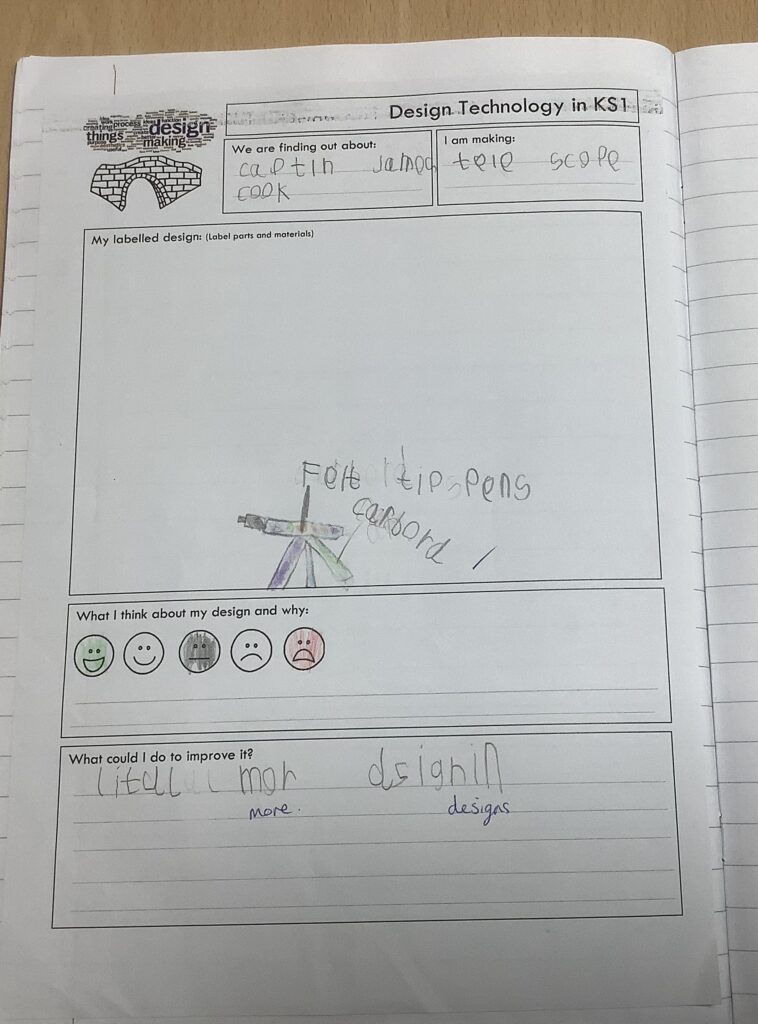
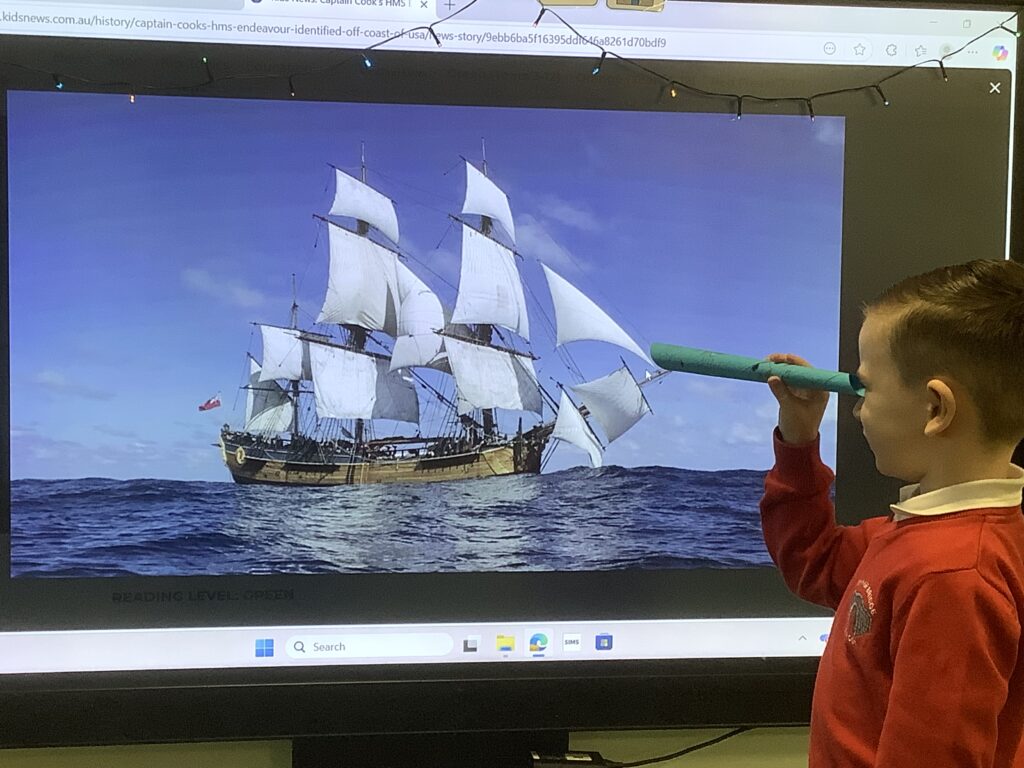
We believe that every child has the potential to become an innovative thinker. Through a broad and engaging curriculum, pupils develop skills in designing, making, evaluating, and applying technical knowledge across a range of contexts, including structures, mechanisms, textiles, food and nutrition, and electrical systems. Our teachers provide high-quality Design and Technology lessons that engage and challenge all learners, enabling them to develop practical skills and creative thinking.
Alongside practical experiences, children develop their understanding of the design process and learn how products are developed to meet the needs of individuals and communities. They explore the work of designers, engineers, architects, chefs, and inventors, gaining insight into how Design and Technology shapes the world around them.
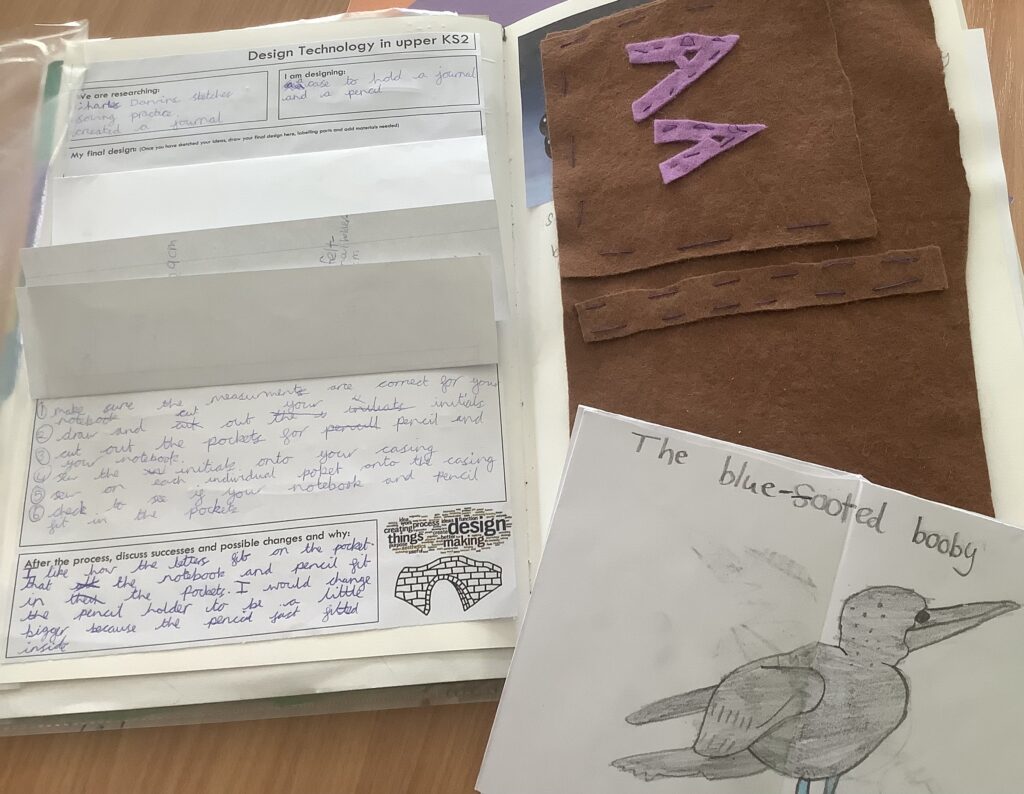
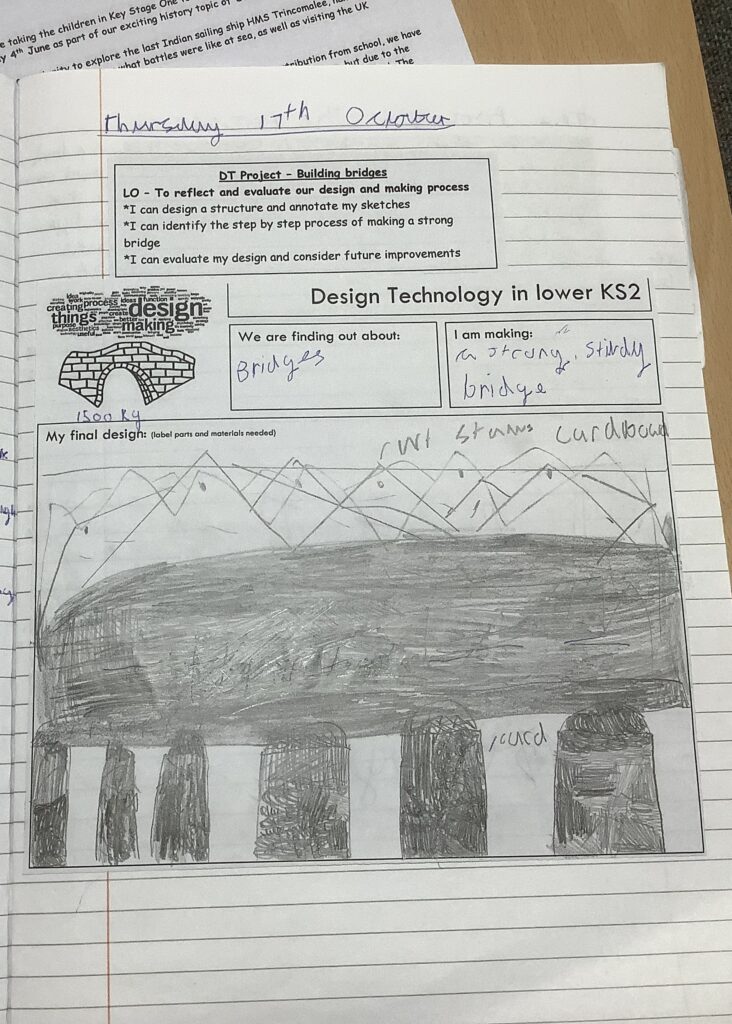
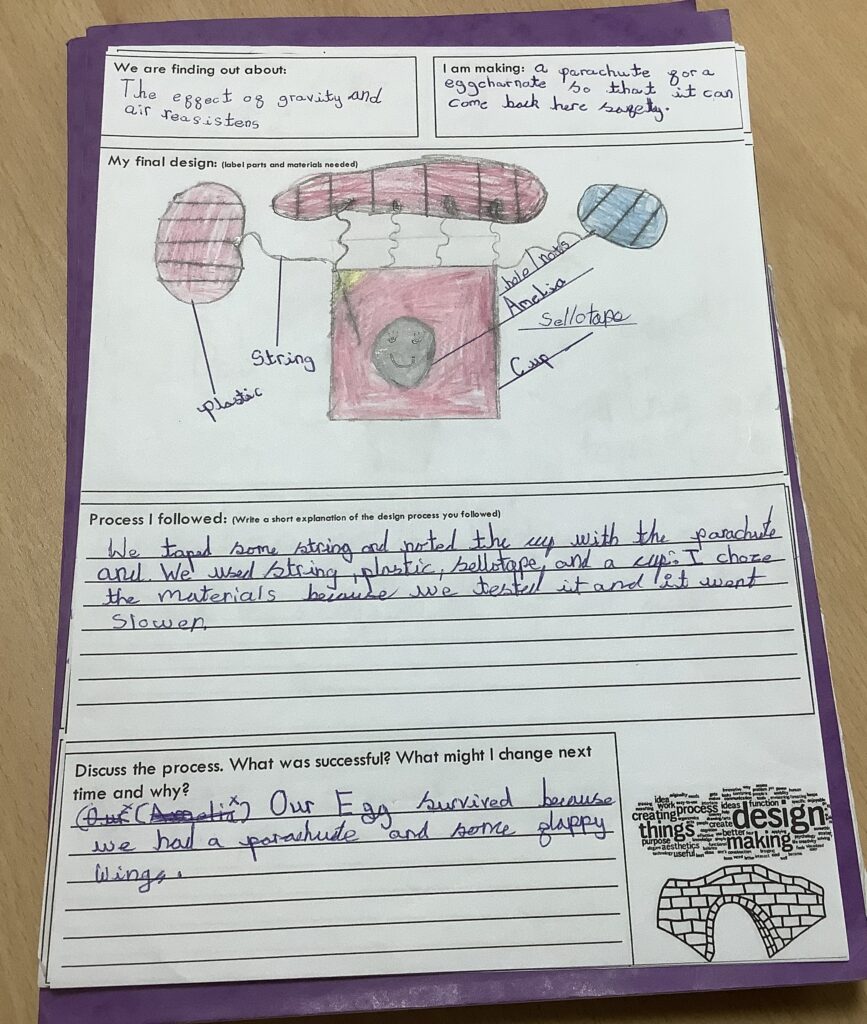
Pupils are encouraged to investigate, take risks, solve problems, and evaluate their own ideas and products, as well as those created by others. Through this process, they learn the importance of resilience, reflection, and continual improvement.
Throughout their primary school journey, children are given opportunities to apply their knowledge and skills to meaningful projects, drawing upon learning from a range of subjects, including science, mathematics, computing, and art. These cross-curricular links help pupils understand the relevance and impact of Design and Technology in everyday life.
Our curriculum is designed to ensure clear progression, allowing pupils to build upon and refine their knowledge, understanding, and technical skills over time. It is shaped by the Design and Technology National Curriculum and supported by the carefully sequenced lessons provided by Grammarsaurus, ensuring a coherent and ambitious learning journey for all pupils.
KS1
- To design purposeful, functional and appealing products for themselves and other users based on simple design criteria.
- To generate, develop, model and communicate their ideas through talking, drawing, templates, mock-ups and information and communication technology where appropriate.
- To explore and evaluate existing products, identifying what they like and dislike and making links to their own ideas and designs.
- To select and use a range of tools, equipment, materials and components to make products, including construction materials, textiles and ingredients.
- To build structures and investigate how they can be made stronger, stiffer and more stable, and to explore simple mechanisms such as levers, sliders, wheels and axles.
- To evaluate their own products against design criteria and suggest improvements.
KS2
- To use research and develop design criteria to create innovative, functional and appealing products for particular users and purposes.
- To generate, develop and communicate ideas through annotated sketches, prototypes, pattern pieces and computer-aided design where appropriate.
- To select and use a wider range of tools, equipment, materials and components accurately, considering both functional and aesthetic qualities.
- To investigate and analyse existing products and the work of significant designers, engineers, inventors and manufacturers, considering how they have influenced the development of products and technology.
- To apply their understanding of structures, mechanical systems and electrical systems when designing and making products.
- To evaluate their ideas and products against their own design criteria and consider the views of others to improve their work.
- To apply computing and programming where appropriate to monitor, control or enhance products
At Newham Bridge we adapt the Grammarsaurus Design and Technology programme to suit our learning at our school. We use the vocabulary progression and the overview documents to support our planning. Below you will find the Design and Technology Vocabulary Progression document and the Newham Bridge Design and Technology Policy which outlines the teaching and learning that takes place in our Design and Technology lessons.
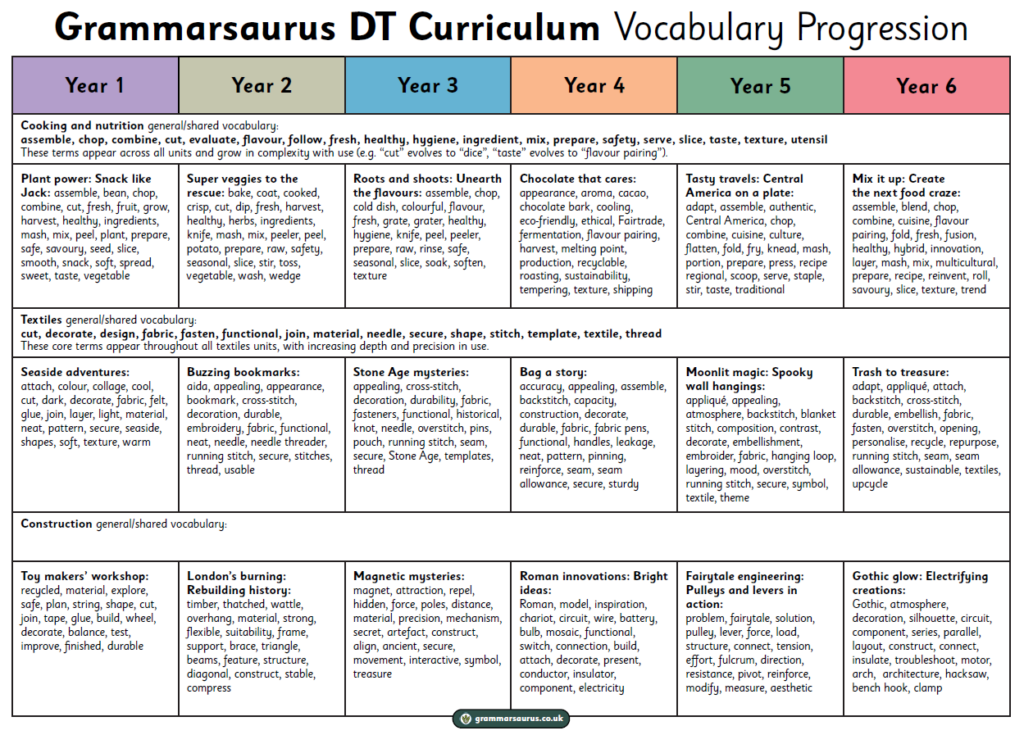
Curriculum Progression
Please see attached copy below.